ٹیپو سلطان کا سفر آخرت
وہ عالمِ تصور میں میسور کے شیر کو ایک خوفناک دھاڑ کے ساتھ اپنے پرحملہ آور ہوتا دیکھ کر چونک جاتا تھا‘ اسکی سپاہ سرنگا پٹم کے میدان میں جمع ہونے والے سپاہیان اسلام کی نعشوں میں میسور کے شیر کو تلاش کر رہے تھے
امیر المومنین کی چوکیداری
ایک دلچسپ واقعہ
مسلمانوں کے ملک میں پرندے بھوک سے نا مر جائیں
زیر نظر تصویر ترکی کی ہے جہاں ایک بہت پرانی اسلامی روایت ابھی تک زندہ ہے کہ جب سردی کا عروج ہو اور پہاڑوں پر برف پڑ جائے تو یہ لوگ چوٹیوں پر چڑھ کر اس وقت تک دانہ پھیلاتے رہتے ہیں جب تک برفباری ہوتی رہے۔ اور یہ اس لیئے ہے کہ پرندے اس موسم میں کہیں بھوک سے نا مر جائیں۔
پاپا نے پادری بنانا چاہا ۔۔۔مگر۔۔۔؟
میں اپنے کسی کام کے سلسلہ میں ’’تیونس‘‘ گیا۔ میں اپنے یونیورسٹی کے دوستوں کے ساتھ یہاں کے ایک گاؤں میں تھا۔ وہاں ہم دوست اکٹھے کھا پی رہے تھے۔ گپ شپ لگا رہے تھے کہ اچانک اذان کی آواز بلند ہوئی اللہ اکبر اللہ اکبر۔۔۔
داستان ایک متکبر کی
سبحان الله ! یہ تھا اسلام کا انصاف
میں اپنا ثواب نہیں بیچوں گا
عموریہ کی جنگ میں پیش آنے والا ایک دلچسپ واقعہ
11 اگست، 2011
Sayings of Quaid e azam Muhammad Ali jinnah
16 جون، 2011
Pakistan has its roots in Islam
Emma Duncan in her book – "Breaking the Curfew" – describes Pakistanis as a nation which has ideas without ideologies and ideologies without ideas. Today, extremism and intolerance is engulfing the nation and we are passing through the worst crisis of identity. To achieve this objective, we need to look back in order to trace our true ideology. During the Allahabad session of the All-India Muslim League in 1942, Quaid-e-Azam Muhammad Ali Jinnah was asked as to what type of state Pakistan would be, he replied: "It will be an Islamic state on the pattern of Medina state with human rights, liberalism, democracy and complete tolerance and freedom of conscience to all citizens without any distinction of colour, creed, language, and race as granted by the Prophet of Islam Muhammad (Peace Be Upon Him) to Christians, Jews, idol worshippers and all others. Justice, brotherhood, liberty, equality and fraternity will reign supreme."
In his speech at the Frontier Muslim League Conference on 21 November 1945, Quaid-e-Azam said: “We have to fight a double-edged battle, one against the Hindu Congress and the other against British imperialists, both of them being capitalists. The Muslims demand Pakistan where they could rule according to their own code of life and according to their own cultural growth, traditions, and Islamic Laws.”
Similarly, in his Eid message to the nation in 1945, Quaid-e-Azam said: “From the Atlantic to the Ganges, the Quran is acknowledged as the fundamental code, not of theology but of civil and criminal jurisprudence, and the laws which regulate the actions and the properties of mankind are regulated by the immutable sanctions of the Will of Allah”. He said, “Everyone, except those who are ignorant, knows that the Quran is the general code of the Muslims. A religious, social, civil, commercial, military, judicial, criminal penal code; it regulates everything from the ceremonies of religion to those of daily life; from the salvation of the soul to the health of the body; from morality to crime, from punishment here to hereafter and our Prophet (Peace Be Upon Him) has enjoined on us that every Muslim should possess a copy of the Quran and be his own priest. Therefore, Islam is not confined to the spiritual tenets and doctrines and rituals and ceremonies. It is a complete code regulating the whole Muslim society in every department of life, collective and individually.”
Pakistan emerged as an independent state on 14th August 1947 as a result of an ideology. The strength of the ideology can be judged from the fact that only religion acts as a binding force for five distinct provinces of Pakistan, as each province has a discrete identity in term of customs, norms, traditions, languages and dialects. Today Objective Resolution serves as the preamble of our Constitution. No doubt, Objective Resolution should be our ultimate goal. We cannot hide the truth by closing our eyes or burring of old syllabus in our country and confiscating translations of Holy Quran, only because it talks about why Pakistan was created and what is our final destination.
The Basic Principle Committee was appointed by a resolution of the Constituent Assembly, dated 12 March 1949, to report, in accordance with the Objective Resolution, on the main principles on which the future constitution of Pakistan should be framed. The Interim Report of the Basic Principle Committee was presented to the Constituent Assembly on September 28, 1950. In accordance with the Resolution of the Constituent Assembly dated November 21, 1950, the interim report was published for inviting suggestions from the public. These suggestions were to be received in the Secretariat of the Constituent Assembly by January 31, 1951. After examinations of bulk of the suggestions, the Basic Principle Committee submitted recommendations as the basis on which the future constitution of Pakistan should be drafted. It is pertinent to mention here that the Basic Principle Committee also appointed five members from minorities through the resolution dated March 12, 1949, including Sir Muhammad Zafrullah Khan, Jogendra Nath Mandal, Kamini Kumar Dutta, Sris Chandra Chattopadhyaya and Prem Hari Barma. If we critically examine the Objective Resolution of March 1949, we would be able to conclude that the question of rights of the minorities has been very carefully and exclusively addressed. Minorities have been given guarantee that their education and culture would be adequately safeguarded.
According to Para 2 (2) of Chapter II – Directive Principles of the State Policy, steps have been specified which should be taken in various spheres of the governmental activities to enable the Muslims to order their lives individually and collectively in accordance with the Holy Quran and Sunnah. According to Para (2) (a), facilities should be provided to them to understand what life in accordance with the Holy Quran and Sunnah means, and the teaching of the Holy Quran to the Muslims should be made compulsory. Para (3) recommended that an organization should be set up for making the teachings of Islam known to the people, and for ‘Amr-Bil-Maruf’ and ‘Nahi-Anil-Munkar’. Para (8) recommends that the state should make every effort to remove illiteracy from the country within minimum possible period. While Para (9) recommended that it should be the endeavour of the state to enable, within the minimum possible time, the population of different areas, through training and education, to participate fully in all forms of national activity and service. It is an irony that despite 63 years of our existence we are still unable to enforce Objective Resolution. Quaid-e-Azam had guided for an Islamic constitution within 22 months. Thus, immediately after his death, Prime Minister Liaquat Ali Khan formed a committee of Ulema to decide the Islamic guidelines for Pakistan's Constitution in which Jamaat-i-Islami led by Maulana Maudoodi and other religious parties played an important role in giving an Islamic orientation.
The Objectives Resolution was the outcome, which was adopted by the Constituent Assembly in March 1949. On the guidelines of Objective Resolution, the 1956 Constitution was passed by the assembly which endorsed Islamic principles and declared Pakistan as an Islamic Republic. However, the ruling class and the elite were quite critical of the new development in the new state of Pakistan as they wanted to build Pakistan as a secular state keeping in mind their Western education and contributions to the freedom struggle. This led to a clash between those possessing modern thoughts and orthodox religious groups. The orthodox religious transformed into political expression when they demanded expulsion of Qadianis (Ahmadiyas) in 1953 in the province of Punjab. Tussle between western educated elites and religious groups led to the imposition of martial law for the first time in Pakistani history to bring the situation under control.
The Enquiry Commission appointed to look into the anti-Ahmediya riots highlighted the internal in-congruencies and contradictions in the ideas of orthodox religious bodies who are presumed to be authorities on matters of religion and ideology. The Commission recommended, "Nothing but a bold reorientation of Islam to separate the vital from the lifeless can preserve it as a world idea and convert the Mussalman into a citizen of the present and future world from the archaic incongruity that he is today...” A new constitution was framed by the General Ayub Khan government in 1962 which removed the label of Islamic Republic by rationalizing that the state could not be theocratic because there was no priesthood in Islam, and as such, it is "theocratic only to the extent that real sovereignty belongs to God." Important changes were also made in the Preamble i.e. from the paragraph, which used to read
"...the authority to be exercised by the people of Pakistan within the limits as prescribed by Him (Allah) is a sacred trust," the words "within the limits prescribed by Him" were removed. In the first Constitutional Amendment Act, however, General Ayub Khan reinstated the phrase Islamic Republic of Pakistan under pressure from religious parties. His secular credentials were confirmed when he implemented the recommendation of the 1955 Commission in the shape of Muslim Family Laws Ordinance of 1961. During the 1965 elections, he took the help of orthodox religious groups to issue a fatwa to de-legitimize the contesting of Mohtarma Fatima Jinnah for the office of president on religious grounds that a woman cannot become the head of an Islamic state. The orthodox parties demanded Nizam-i-Mustafa. Zulfikar Ali Bhutto got a law passed, approving minority status for the Ahmedis, and also allowing enough leverage to the orthodox parties in the educational institutions to satisfy the religious groups. In April 1977, Bhutto announced a set of Shariat laws banning horse racing and drinking of alcohol, and declared Friday as the official holiday in conformity with the Islamic ideology on July 1, 1977. This was followed by the rule of General Ziaul Haq during which additional efforts were made to Islamize Pakistan. Today, if we critically examine sectarianism and extremism we would find that in most cases it resolves around the dispute to create Pakistan as a welfare Islamic state on the pattern of Medina at the time of Holy Prophet Muhammad (May Peace Be Upon Him) or a secular state on the pattern of India and other non-believer nations. One wonders how still some among us fail to identify the Islamic roots in Pakistan and do not comprehend the essence of our ideology and Objective Resolution. To enforce secularism and evils of the western and non-believer nations there is only one way — to eliminate the overwhelming majority in the country and allow a small minority to live and rule Pakistan.
10 جون، 2011
قائد اعظم ؒ کا تصورِپاکستان!
بیسویں صدی میں جابجامسلم ممالک دنیا کے نقشے پر ابھرے ہیں،جغرافیہ اور تاریخ بدلی ہے۔اور ظاہر ہے کہ کسی نے طشت میں رکھ کر مسلمانوں کو آزادی پیش نہیں کی ہے بلکہ کشمکش اور آگ اور خون کے دریا پار کرکے آزادی حاصل کی گئی ہے۔ ہر ایک جو اپنا پاکستان بنا رہاتھایا اپنے ہی ملک کے اندر استعمار کو بھگا رہاتھا،توہر جگہ کے لحاظ سے نعرہ یہی تھا’’ پاکستان کا مطلب کیا لاالہ الااللہ‘‘،اور یہ اسلام کا مضبوط حوالہ تھاجس نے لوگوں کے اندر کردار،جدوجہداور کوشش و کاوش کا ایک عنوان اور بڑے پیمانے پر قربانیاں دیکر کشمکش مول لینے کا کلچر پیداکیا۔لہٰذا اس اعتبار سے یہ بات بلاخوف تردید کہی جاسکتی ہے کہ آج اگر ستاون ملک دنیا کے نقشے پر آزاد مسلمان ملک کہلاتے ہیں تو حقیقتاً ان کی بڑی تعداد اسلام اور کلمے کے نام پرآزاد ہوئی ہے۔ خود برصغیر پاک و ہند میں لاکھوں انسان آگ اور خون کے دریا سے گزرے۔ بہنوں بیٹیوں کے دامن عصمت تار تار ہوئے اور لوگ لٹے پٹے قافلوں کی صورت میں پاکستان پہنچے۔ظاہر ہے کہ یہ قربانی اورجدوجہدکسی مادی مفاد کیلئے نہ تھی بلکہ اس اسلامی نظریے کیلئے تھی جس کی بنیاد پر پاکستان قائم ہونے جارہا تھا۔ دینی و مذہبی احساس، پاکستان کو اسلامی ریاست بنانے کا خواب اور اس کی خاطر ہر قربانی کو انگیز کرنے کا جذبہ، یہ وہ عناصر ترکیبی ہیں جو قیامِ پاکستان اور تحریکِ پاکستان کی اصل بنیاد ہیں۔
بانی پاکستان قائد اعظم محمد علی جناحؒ نے جب بھی حصول پاکستان کے مقاصد کا ذکر کیا توان مقاصد میں ایک ایسی اسلامی ریاست کا قیام سرفہرست تھا جہاں قرآن و سنت کی فرمانروائی ہو۔انھوں نے بارہا کھل کر یہ بات کہی کہ ہندوستان میں مسلمانوں کیلئے ایک الگ خطے کا مطالبہ بنیادی طور پر ایک ایسی سرزمین کے حصول کی کوشش ہے جہاں مسلمان اسلامی ضابطہ حیات، اپنی روایات اور اسلامی قانون کیمطابق زندگی گزار سکیں۔
نومبر21, 1945ء فرنٹیئر مسلم لیگ کانفرنس سے خطاب کرتے ہوئے انھوں نے کہا کہ
’’مسلمان پاکستان کا مطالبہ کرتے ہیں جہاں وہ خود اپنے ضابطہ حیات، اپنے تہذیبی ارتقاء ، اپنی روایات اور اسلامی قانون کیمطابق حکمرانی کرسکیں۔ہمارا دین، ہماری تہذیب اور ہمارے اسلامی تصورات وہ اصل طاقت ہیں جو ہمیں آزادی حاصل کرنے کیلئے متحرک کرتے ہیں۔‘‘
اسلامیہ کالج پشاور کے طلبہ سے خطاب کرتے ہوئے انھوں نے کہا کہ
’’لیگ ہندوستان کے اْن حصوں میں آزاد ریاستوں کے قیام کی عَلم بردار ہے جہاں مسلمانوں کی اکثریت ہے تاکہ وہاں اسلامی قانون کے مطابق حکومت کرسکیں۔‘‘
قائد اعظم نے جب بھی اسلام اور پاکستان کے تشخص اوربرصغیر کے مسلمانوں کے ایک جداگانہ قوم ہونے کی بات کی تو یہ کسی مصلحت یا رسمی اور روایتی طور پرنہیں تھی بلکہ انھوں نے ایک عملی حقیقت کے طور پراسے بیان کیا۔وہ مسلمانوں کے ملّی تشخص کے دل سے قائل اور پاکستان میں اسلامی نظام کے قیام کے آرزو مند تھے۔
گاندھی سے خط و کتابت کے دوران ستمبر 1944ء میں انھوں نے گاندھی کو لکھا:
’’ہم اس کے قائل ہیں اور ہمارا یہ دعویٰ ہے کہ مسلمان اور ہندو دو بڑی قومیں ہیں جو ‘‘قوم ’’کی ہر تعریف اور معیار پر پوری اترتی ہیں۔ ہم دس کروڑ کی ایک قوم ہیں۔ مزید برآں ہم ایک ایسی قوم ہیں جو ایک مخصوص اور ممتاز تہذیب و تمدن، زبان و ادب، آرٹ اور فنِ تعمیر، احساس اقدار و تناسب، قانونی احکام و اخلاقی ضوابط، رسم و رواج اور تقویم (کیلنڈر)، تاریخ اور روایات، رجحانات اور عزائم کی مالک ہے۔ خلاصہ بحث یہ ہے کہ زندگی اور اسکے متعلقات کے بارے میں ہمارا اپنا ایک امتیازی زاویہ نگاہ ہے۔ اور قانونِ بین الاقوامی کی ہر دفعہ کے لحاظ سے ہم ایک قوم ہیں۔‘‘
اور 11 اکتوبر 1947ء کو کراچی میں مسلح افواج کے افسروں سے خطاب میں فرمایا :
’’قیام پاکستان، جس کیلئے ہم گذشتہ دس برس سے کوشاں تھے، اللہ کے فضل و کرم سے آج ایک مسلمہ حقیقت ہے لیکن اپنی مملکت کا قیام دراصل ایک مقصد کے حصول کا ذریعہ ہے بذات خود کوئی مقصد نہیں۔ تصور یہ تھا کہ ہماری ایک مملکت ہونی چاہیے جس میں ہم رہ سکیں اور آزاد افراد کی حیثیت سے سانس لے سکیں۔ جسے ہم اپنی صوابدید اور ثقافت کے مطابق ترقی دے سکیں اور جہاں اسلام کے معاشرتی انصاف کے اصول جاری و ساری ہوں۔ ‘‘
قائداعظم کی یہ دیرینہ خواہش رہی کہ پاکستان کی نشوونما ایک ایسی مضبوط اور مثالی اسلامی ریاست کی حیثیت سے ہو جہاں کے باشندے اپنے عقیدے کیمطابق اپنے مذہب پر عمل کر سکیں اور اسلام کے نظام عدل و انصاف سے مستفید ہوسکیں۔
قائد اعظم کی تقاریر کے مطالعے سے معلوم ہوتا ہے کہ وہ اسلام کوصرف چند عقیدوں،روایتوں اورروحانی تصورات کا مجموعہ نہیںبلکہ ہر مسلمان کیلئے ایک ضابطہ سمجھتے تھے جو اسکی زندگی اور کردار کو سیاست و معیشت اور انفرادی و اجتماعی معاملات میں انضباط عطا کرتا ہے۔ انھوں نے متعدد مقامات پر کہا کہ اسلامی حکومت دوسرے الفاظ میںقرآنی اصول و احکام کی حکمرانی ہے۔قرآن مجید کی تعلیمات میں انسانی زندگی کے ہر باب کے متعلق ہدایات موجود ہیں۔ روحانی، سیاسی، معاشرتی اور معاشی سمیت زندگی کا کوئی پہلوایسا نہیں جو قرآنی تعلیمات کے احاطے سے باہر ہو۔قرآن مجیدکے احکام ہی سیاست و معاشرت میں ہماری آزادی اور پابندی کی حدود متعین کر سکتے ہیں۔ قائد اعظم کے تصور پاکستان کے یہ وہ خدوخال ہیں جو ان کی مختلف تقریروں میں جابجا بکھرے ہوئے ہیں اور ایک اسلامی ریاست کا وہ تصورپیش کرتے ہیں جس کو عملی جامہ پہنا کرہم نہ صرف موجودہ چیلنجز سے عہدہ براء ہوسکتے ہیں بلکہ ایک باوقار اور ترقی یافتہ قوم کی صورت میں آگے بڑھ سکتے ہیں۔
Quaid e azam's ideology of pakistan.
During the Allahabad session of the All-India Muslim League in 1942, Quaid-e-Azam Muhammad Ali Jinnah was asked as to what type of state Pakistan would be, he replied: "It will be an Islamic state on the pattern of Medina state with human rights, liberalism, democracy and complete tolerance and freedom of conscience to all citizens without any distinction of colour, creed, language, and race as granted by the Prophet of Islam Muhammad (Peace Be Upon Him) to Christians, Jews, idol worshippers and all others. Justice, brotherhood, liberty, equality and fraternity will reign supreme."
In his speech at the Frontier Muslim League Conference on 21 November 1945, Quaid-e-Azam said: “We have to fight a double-edged battle, one against the Hindu Congress and the other against British imperialists, both of them being capitalists. The Muslims demand Pakistan where they could rule according to their own code of life and according to their own cultural growth, traditions, and Islamic Laws.”
Similarly, in his Eid message to the nation in 1945, Quaid-e-Azam said: “From the Atlantic to the Ganges, the Quran is acknowledged as the fundamental code, not of theology but of civil and criminal jurisprudence, and the laws which regulate the actions and the properties of mankind are regulated by the immutable sanctions of the Will of Allah”. He said, “Everyone, except those who are ignorant, knows that the Quran is the general code of the Muslims. A religious, social, civil, commercial, military, judicial, criminal penal code; it regulates everything from the ceremonies of religion to those of daily life; from the salvation of the soul to the health of the body; from morality to crime, from punishment here to hereafter and our Prophet (Peace Be Upon Him) has enjoined on us that every Muslim should possess a copy of the Quran and be his own priest. Therefore, Islam is not confined to the spiritual tenets and doctrines and rituals and ceremonies. It is a complete code regulating the whole Muslim society in every department of life, collective and individually.” Pakistan emerged as an independent state on 14th August 1947 as a result of an ideology. The strength of the ideology can be judged from the fact that only religion acts as a binding force for five distinct provinces of Pakistan, as each province has a discrete identity in term of customs, norms, traditions, languages and dialects.
Today Objective Resolution serves as the preamble of our Constitution. No doubt, Objective Resolution should be our ultimate goal. We cannot hide the truth by closing our eyes or burring of old syllabus in our country and confiscating translations of Holy Quran, only because it talks about why Pakistan was created and what is our final destination. The Basic Principle Committee was appointed by a resolution of the Constituent Assembly, dated 12 March 1949, to report, in accordance with the Objective Resolution, on the main principles on which the future constitution of Pakistan should be framed. The Interim Report of the Basic Principle Committee was presented to the Constituent Assembly on September 28, 1950. In accordance with the Resolution of the Constituent Assembly dated November 21, 1950, the interim report was published for inviting suggestions from the public. These suggestions were to be received in the Secretariat of the Constituent Assembly by January 31, 1951. After examinations of bulk of the suggestions, the Basic Principle Committee submitted recommendations as the basis on which the future constitution of Pakistan should be drafted. It is pertinent to mention here that the Basic Principle Committee also appointed five members from minorities through the resolution dated March 12, 1949, including Sir Muhammad Zafrullah Khan, Jogendra Nath Mandal, Kamini Kumar Dutta, Sris Chandra Chattopadhyaya and Prem Hari Barma.
21 مارچ، 2011
Jinnah: the leader of modern times
Quaid e Azam ka tasawur e pakistanقائد اعظم کا تصور پاکستان
Quaid e Azam Muhammad Ali Jinnah (R.A) ne aik dfa fermaya tha k " Bar'r-e-Sagheer main Pakistan ki Bunyaad us waqt pr gai thi jbh pehla hindu Musalman hua tha" Go k yeh safar bohat lamba hai lekin 23 March 1940 yeh woh Azeem din hai Jbh us safar ki manzil ka taiy'yun kiya gya aur musalmnaan-e-Hind ne apna nasb-ul-ain tay kiya tha , yeh woh din hai jbh Do Qoumi Nazariye ki Bunyaad pr Qraardaad-e-Pakistan kay manzoor hone kay bad sbh Musalmanan-e-Hind ki zindgi ka wahed maqsad "le kay rahen ge Pakistan , Ban kay rahe ga Pakistan" ban gya tha , "Aik hi jazba Musalmaon ka Alag Watan Aik hi Ishq Pakistan" tha.. Aur 7 saal kay qaleel arse main Un Suche Ashiqon ne duniya kay naqshe par sbh se mazboot aur azeem Mumlakat ko Qaim kr k Duniya main lazwaal misal Qaim ki , aur aisi misalon ko tarikh kay awraq pr raqam kiya Jo duniya k lie Misaal hain aur hmare lie na sirf bais e fakhar hain.. 23 March wohi din hai jis din PAKISTAN ka Qyaam her dil ki taman'na aur her zindgi ka maqsad bna , Taman'na thi aik aise mulk ki jaga khush-hali aur aman ho ga jahan Islami nizam e zindgy Riaj ho ga ...
قائد اعظم کا تصور پاکستان
Quaid e Azam ka tasawur e pakistan kya tha?
Tariq ismail sagar
Manzar nama
23 دسمبر، 2010
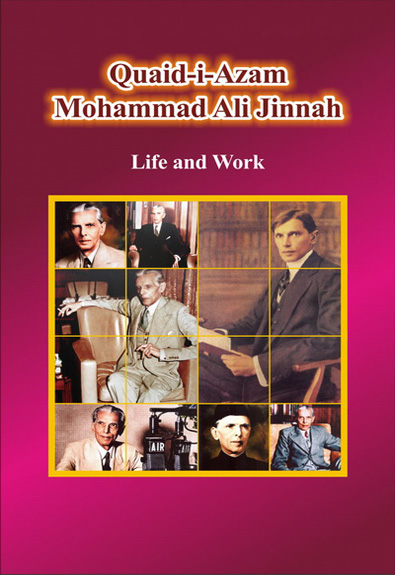
Books on Quaid e azam Muhammad Ali Jinnah
DOWNLOAD
DOWNLOAD
DOWNLOAD
DOWNLOAD
DOWNLOAD
Description:
This book provides a detailed and systematic analysis of the charismatic leadership of Quaid-i-Azam Mohammad Ali Jinnah, the leader of Indian Muslims during the crisis-ridden decade of 1937-47. Based on the concept of charisma formulated by Max Weber and developed by recent writers, the study concentrates on the ‘personality-related’ and ‘situational’ factors that led to the emergence of Jinnah as the charismatic leader of the Muslims and sustained him in that role until the creation of Pakistan.
DOWNLOAD
DOWNLOAD
DOWNLOAD
DOWNLOAD
DOWNLOAD
DOWNLOAD
| student loan consolidation program |
DOWNLOAD
DOWNLOAD
DOWNLOAD
DOWNLOAD
DOWNLOAD
DOWNLOAD
Quaid-e-Azam Sawal Aur Jawab Ki Roshni Mein
DOWNLOAD
DOWNLOAD
DOWNLOAD
DOWNLOAD
DOWNLOAD
DOWNLOAD
DOWNLOAD
DOWNLOAD
DOWNLOAD
A Political Saint
DOWNLOAD
DOWNLOAD
1857-1947
DOWNLOAD
Aik Nazar Mein
DOWNLOAD
DOWNLOAD
Quaid ke farmudaat
DOWNLOAD
DOWNLOAD
DOWNLOAD
DOWNLOAD
DOWNLOAD


